To provide high-quality fastener products for global customers.

Exploring the Manufacturing Process of Electric Galvanized Threaded Rods: A Comprehensive Guide
Jun 11,2026
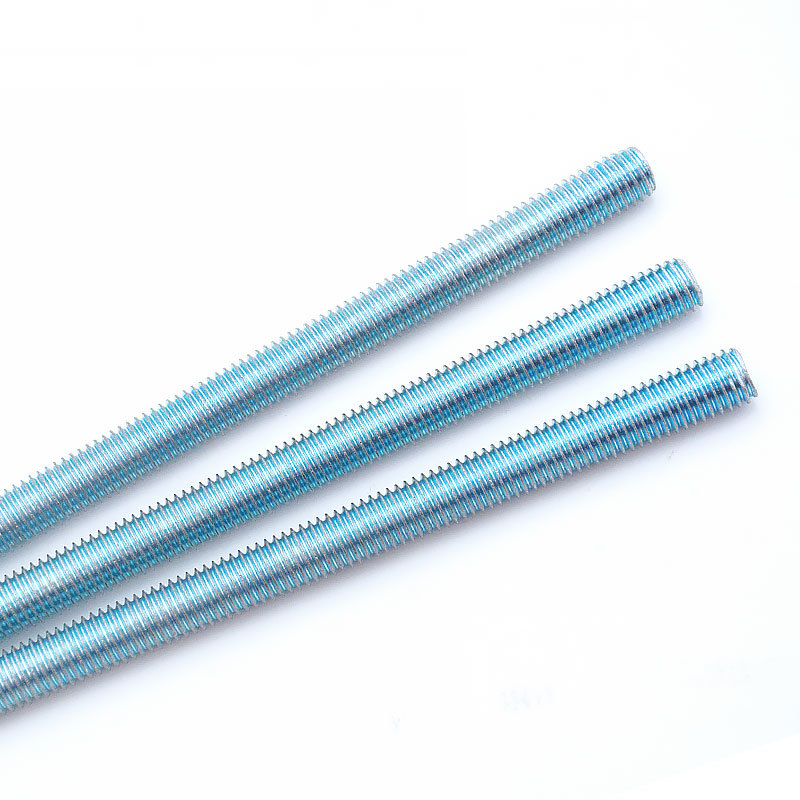
Exploring the Manufacturing Process of Electric Galvanized Threaded Rods
Table of Contents
- 1. Introduction to Electric Galvanized Threaded Rods
- 2. Importance of Electric Galvanization in Manufacturing
- 3. Core Materials Used in Production
- 4. Step-by-Step Manufacturing Process
- 4.1 Step 1: Material Preparation
- 4.2 Step 2: Threading Process
- 4.3 Step 3: Electric Galvanization
- 4.4 Step 4: Quality Control
- 4.5 Step 5: Packaging and Delivery
- 5. Applications of Electric Galvanized Threaded Rods
- 6. Sustainability in the Manufacturing Process
- 7. Frequently Asked Questions
- 8. Conclusion
1. Introduction to Electric Galvanized Threaded Rods
Electric galvanized threaded rods serve as essential components in various applications, ranging from construction and automotive to machinery assembly. These rods are designed to provide mechanical strength, durability, and corrosion resistance, making them invaluable in harsh environments. Understanding the manufacturing process of these rods is crucial for industry professionals, engineers, and buyers who prioritize quality and performance in their projects.
2. Importance of Electric Galvanization in Manufacturing
Electric galvanization is a process used to coat metals, particularly steel, with a layer of zinc to prevent corrosion. This method involves applying a direct electric current to the metal and immersing it in a zinc solution, resulting in a strong bond between the zinc and the base metal. The significance of electric galvanization in the manufacturing of threaded rods cannot be overstated:
- **Corrosion Resistance**: The primary advantage of galvanization is enhanced corrosion resistance, extending the lifespan of threaded rods, especially in outdoor or industrial settings.
- **Cost-Effectiveness**: By preventing rust, galvanization reduces maintenance costs and enhances the overall value of products.
- **Improved Aesthetic Appeal**: Galvanized rods have a shiny, attractive finish that appeals to consumers and enhances the product's marketability.
3. Core Materials Used in Production
The manufacturing of electric galvanized threaded rods involves several materials, each chosen for its properties and compatibility with the galvanization process.
- **Steel**: The primary material used, known for its tensile strength and durability. Selecting high-quality steel is crucial to ensure the rods can withstand mechanical stress.
- **Zinc**: Utilized in the galvanization process, zinc serves as a protective layer against corrosion.
- **Coatings**: Additional coatings, such as paints or sealants, may be applied post-galvanization to enhance appearance or provide further protection.
4. Step-by-Step Manufacturing Process
The manufacturing of electric galvanized threaded rods encompasses several meticulous steps, each critical to ensuring a high-quality final product.
4.1 Step 1: Material Preparation
The production process begins with material preparation, where steel rods are cut to the required lengths. The rods undergo surface cleaning to remove any rust, oil, or contaminants, ensuring a clean surface for subsequent processes.
4.2 Step 2: Threading Process
Next, the clean steel rods are subjected to the threading process. This can be achieved through various methods, including:
- **Rolling**: Involves the use of dies to shape threads through a rolling process, ensuring precision and consistency.
- **Cutting**: Threads are cut into the rod through a lathe process, which allows for intricate configurations and sizes.
Both methods produce strong, precise threads essential for ensuring the rods can be effectively used in conjunction with nuts and other fasteners.
4.3 Step 3: Electric Galvanization
The electric galvanization process is a defining step in the production of threaded rods. Here’s how it works:
1. **Preparation of the Electrolyte Solution**: A zinc solution is prepared, typically containing zinc sulfate.
2. **Electrolysis Process**: The threaded rods are submerged in the solution, and a direct electric current is applied. The electric current drives zinc ions from the solution to the surface of the rods, forming a protective coating.
3. **Layer Thickness Control**: The thickness of the zinc layer can be controlled by adjusting the electric current and immersion time, ensuring the rods meet industry standards for corrosion resistance.
4.4 Step 4: Quality Control
Quality control is imperative throughout the manufacturing process. After galvanization, each batch of threaded rods undergoes rigorous testing, including:
- **Visual Inspection**: Checking for any defects or inconsistencies in the coating.
- **Thickness Measurement**: Ensuring that the zinc coating meets specified thickness requirements for optimal performance.
- **Tensile Tests**: Assessing the strength of the rods to ensure they meet or exceed industry standards.
These measures guarantee that only high-quality products are delivered to customers.
4.5 Step 5: Packaging and Delivery
Once the quality control measures are complete, the threaded rods are packaged for shipment. Proper packaging is essential to prevent damage during transit, and labeling includes vital information such as material specifications and batch numbers. Timely delivery to customers is prioritized to maintain supply chain efficiency.
5. Applications of Electric Galvanized Threaded Rods
Electric galvanized threaded rods are versatile components used across various industries. Some common applications include:
- **Construction**: Used to anchor structures, support beams, and secure other construction elements.
- **Automotive**: Essential in the assembly of vehicles, providing strength in critical components.
- **Machinery**: Employed in machinery assembly and maintenance, ensuring secure connections in moving parts.
Their durability and corrosion resistance make them ideal for use in harsh environments, ensuring reliability and longevity.
6. Sustainability in the Manufacturing Process
Sustainability is becoming increasingly important in manufacturing processes. The production of electric galvanized threaded rods incorporates several sustainable practices:
- **Resource Efficiency**: Utilizing high-quality materials reduces waste and enhances product lifespan.
- **Energy Conservation**: Advances in galvanization technology have led to more energy-efficient processes, reducing the overall carbon footprint.
- **Recycling Initiatives**: Manufacturers are increasingly adopting practices to recycle materials and reduce environmental impact.
By prioritizing sustainability, manufacturers can meet consumer demands for environmentally friendly products while also contributing to global sustainability goals.
7. Frequently Asked Questions
What are electric galvanized threaded rods?
Electric galvanized threaded rods are steel rods coated with zinc through an electric galvanization process to enhance corrosion resistance and durability.
Why is electric galvanization preferred over hot-dip galvanization?
Electric galvanization offers a more controlled coating process, resulting in a smoother finish and uniform thickness, which is particularly beneficial for precise applications.
How do I determine the right size of threaded rod for my project?
Selecting the appropriate size involves considering the load requirements, the type of materials being fastened, and any industry standards that apply to your specific application.
What industries commonly use electric galvanized threaded rods?
Common industries include construction, automotive, manufacturing, and telecommunications, among others.
How can I ensure the quality of electric galvanized threaded rods?
To ensure quality, source from reputable manufacturers, check for compliance with industry standards, and look for certifications related to material specifications and testing.
8. Conclusion
Understanding the manufacturing process of electric galvanized threaded rods is essential for anyone involved in industries that utilize these components. From the initial material preparation through to the final quality control checks, each step in the process plays a crucial role in ensuring product reliability and performance. With applications spanning multiple sectors and an increasing emphasis on sustainability, electric galvanized threaded rods are indispensable in modern manufacturing. By prioritizing quality and sustainability, manufacturers can meet market demands while contributing to a more eco-friendly future.
PREVIOUS:

Contact Us
E-mail :
nily@byfastener.com
WhatsApp:
+8618132303765
Address:
Yulin Industrial Zone, Liuying Township, Yongnian District, Handan City, Hebei Province, China



Request Quote